Contact Lenses: 2026 Guide to Choosing the Right Fit and Types of Medical Lenses

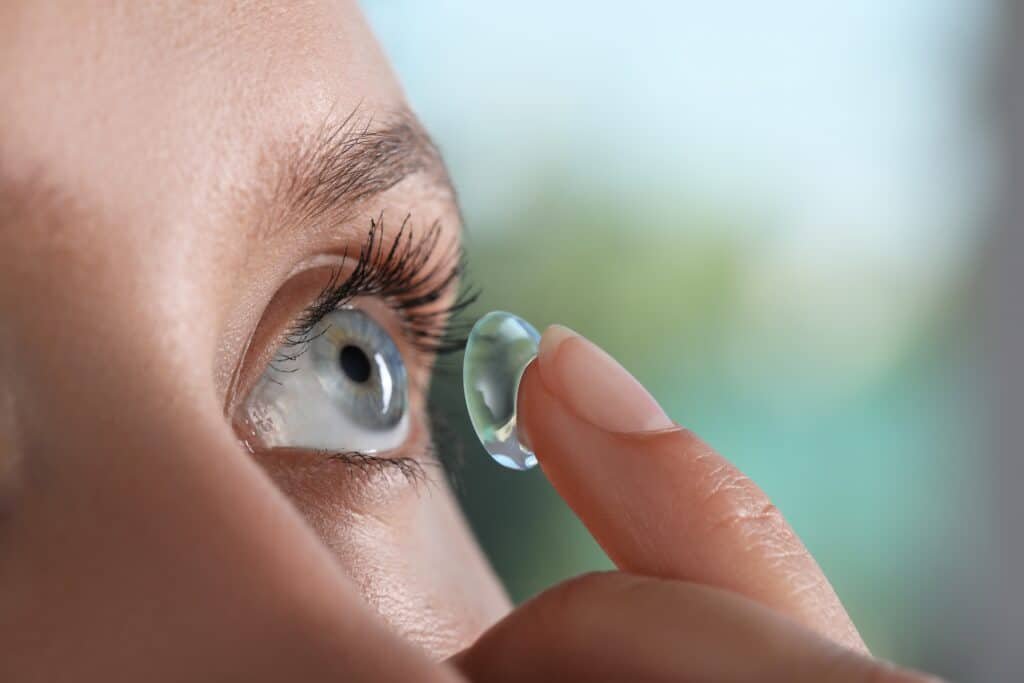
Are you looking for the right contact lenses? In this comprehensive 2026 guide, you’ll learn about the different types of contact lenses, how to choose the correct fit, and the most important medical tips for comfortable and safe vision.
Contact Lenses: Comfort, Clarity, and Confidence
Contact lenses are no longer just a vision correction tool — they’ve become a popular choice for comfort, convenience, and an active lifestyle. Whether you want to stop wearing glasses or enjoy more freedom during sports and daily activities, understanding the basics of contact lenses is essential for keeping your eyes healthy.
In this guide, we will cover:
How to understand your contact lens prescription
The differences between lens types
How to choose the right fit
Essential safety and care tips
Understanding Your Prescription: Your First Step Toward Comfort
Do not confuse a glasses prescription with a contact lens prescription — they are different. A proper contact lens fitting must be done by an eye doctor or licensed optometrist before purchasing lenses.
A contact lens prescription typically includes:
BC (Base Curve): The curve of the lens that matches the shape of your cornea.
DIA (Diameter): The width of the lens and how much of the cornea it covers.
SPH (Sphere): Lens power for correcting nearsightedness or farsightedness.
CYL (Cylinder): Lens power for correcting astigmatism.
AX (Axis): The angle needed to correct astigmatism properly.
Choosing the correct values ensures comfort and clear vision.
Types of Contact Lenses: A Simple Comparison
| Type | Advantages | Disadvantages | Best For |
|---|---|---|---|
| Soft Lenses | Very comfortable, easy to adapt to, great for daily activities | Can absorb deposits, may cause dryness for some users | Beginners and mild vision correction |
| Rigid Gas Permeable (RGP) | Sharper vision, allow more oxygen, long-lasting | Require adaptation time, less comfortable at first | Advanced astigmatism and keratoconus |
| Daily Disposable Lenses | Single-use, highly hygienic, no cleaning needed | Higher long-term cost | Sensitive eyes and occasional wear |
| Monthly Lenses | More economical, wider prescription options | Require strict daily cleaning | Regular daily users |
When Contact Lenses May Not Be Suitable
Contact lenses might not be the best option if you have:
Severe dry eyes
Frequent eye infections
Chronic allergies
Difficulty maintaining proper cleaning routines
Always consult an eye doctor before use in these cases.
Tips for Choosing the Right Fit and Avoiding Common Mistakes
✔ Never buy lenses without a professional fitting
✔ Do not use a glasses prescription for contact lenses
✔ Try lenses under professional supervision first
✔ Avoid non-medical colored lenses
✔ Follow the recommended replacement schedule strictly
Looking for Safe and Original Contact Lenses?
At Eagle Optics, we provide original medical contact lenses from trusted international brands with guaranteed quality and authenticity. Our team helps you choose the right type based on your doctor’s prescription to ensure maximum comfort and safety.
If you are in Sohag and looking for authentic contact lenses, always buy from a trusted optical center that guarantees approved products.
Frequently Asked Questions About Contact Lenses
What types of contact lenses are available?
Soft lenses, rigid lenses, daily disposables, monthly lenses, toric lenses for astigmatism, and multifocal lenses.
How do I know the right lens size?
Through a professional eye exam that measures corneal curvature and diameter.
Can I sleep while wearing contact lenses?
Only if they are specifically designed for extended wear and approved by your eye doctor.
How often should I replace my lenses?
Depending on the type: daily, monthly, or as directed by the manufacturer.
What are signs that lenses don’t fit properly?
Redness, pain, blurry vision, or feeling like something is in your eye.
Do contact lenses cause dry eyes?
Some types may cause dryness. Lubricating drops made for contact lens users can help.
Can I swim while wearing contact lenses?
Not recommended due to the risk of serious eye infections.
Can a lens get lost behind my eye?
No, this is anatomically impossible.
When should I stop wearing lenses immediately?
If you experience severe pain, persistent redness, sudden vision changes, or unusual discharge.
Conclusion
Choosing the right contact lenses depends on a proper eye exam, selecting the correct lens type for your needs, and following safe usage and cleaning practices. Contact lenses offer freedom and comfort — but your eye health should always come first.